Botanical Education Notice
This page is an independent botanical reference — educational content about the history, tradition, and published research on individual plant ingredients. It is not product marketing, and the information here does not constitute claims about any Orivaine product. The studies referenced relate to individual botanical ingredients studied in isolation. Always consult your GP or a qualified herbalist before using herbal products, especially if you are pregnant, breastfeeding, on medication, or managing a health condition.
The Botanical Library
A reference guide to our ingredients.
An independent resource on the plants we use — their traditional history, published research, and botanical character. This is a place to learn, not a place to shop.
New to loose-leaf? Read our brewing guide or see how much tea to use per cup and whether herbal tea contains caffeine.
A bright, cooling mint with a long place in daily brewing traditions across the Mediterranean and Middle East, where its crisp aroma opens the morning cup.
- ·A crisp, refreshing aromatic character
- ·Long steeped into everyday tea rituals
- ·A gentle, cooling finish
The information above is drawn from published botanical and phytotherapy research on this ingredient in isolation. It does not describe the effects of any Orivaine product.
Caution: Generally well tolerated. High doses are not recommended during pregnancy.
Featured in
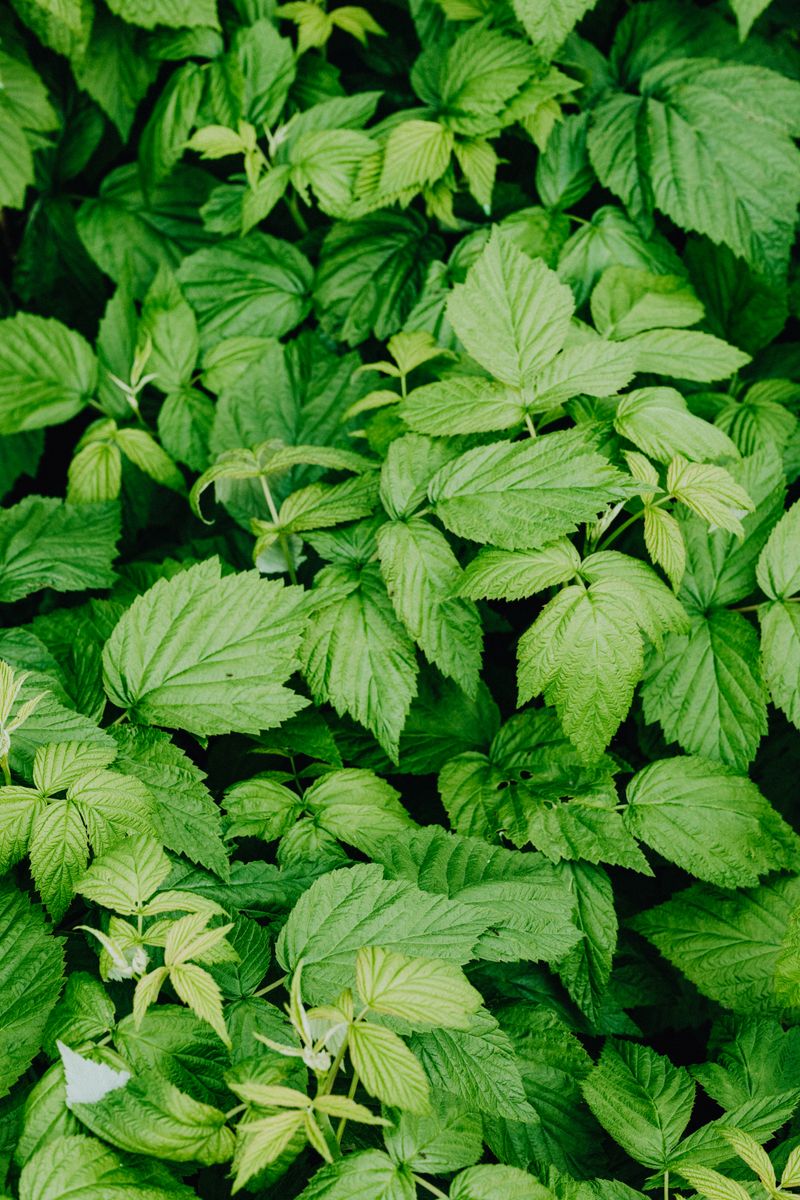
A classic leafy herb woven into European brewing traditions for generations, quietly present in the everyday cups of grandmothers and midwives alike.
- ·A mineral, softly astringent flavour
- ·One of the longest-loved botanicals in women's tea traditions
- ·A gentle, grounding daily infusion
The information above is drawn from published botanical and phytotherapy research on this ingredient in isolation. It does not describe the effects of any Orivaine product.
Caution: Avoid in the first trimester of pregnancy. Best introduced from the second trimester onward under the guidance of your midwife or GP.
A small Mediterranean berry with a long floral history in women's herbal traditions, gathered from a shrub that has grown along the shores of the ancient world.
- ·A softly floral, peppery character
- ·Long included in traditional women's blends
- ·A quiet, grounding presence in the cup
The information above is drawn from published botanical and phytotherapy research on this ingredient in isolation. It does not describe the effects of any Orivaine product.
Caution: Not suitable during pregnancy, breastfeeding, or alongside hormonal contraception without medical advice.
Featured in
A deep-green wild leaf long steeped as a daily nourishing infusion across the British Isles and northern Europe, where it has been part of the hedgerow herbal tradition for centuries.
- ·A rich, herbaceous, earthy flavour
- ·A long-standing daily infusion herb
- ·A vibrant emerald cup
The information above is drawn from published botanical and phytotherapy research on this ingredient in isolation. It does not describe the effects of any Orivaine product.
Caution: Avoid in the first trimester of pregnancy. May interact with blood-thinning or blood-pressure medication.
Featured in
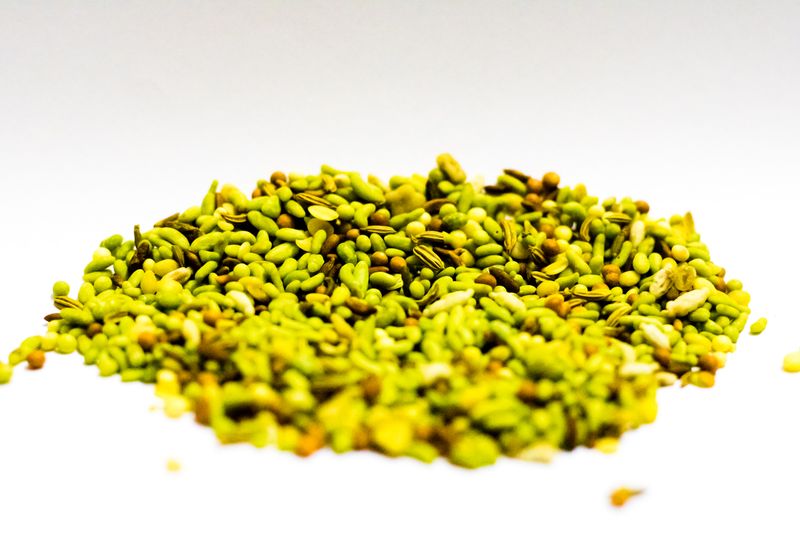
A sweet, aniseed-scented seed with a long tradition as an after-meal brew across the Mediterranean and India, where it is steeped simply in hot water at the end of a shared table.
- ·A soft, naturally sweet aniseed aroma
- ·A traditional after-meal cup across many cultures
- ·A gentle, aromatic finish
The information above is drawn from published botanical and phytotherapy research on this ingredient in isolation. It does not describe the effects of any Orivaine product.
Caution: Avoid in large medicinal doses during pregnancy and breastfeeding. Speak with your GP if you have a hormone-sensitive condition.
Featured in
Menthol-bright leaves with a long place in European and North African brewing traditions, from the tall glasses of Moroccan mint tea to the simple herbal cup after supper.
- ·A cool, bright, aromatic finish
- ·Long steeped into everyday brewing traditions
- ·A refreshing, uplifting cup
The information above is drawn from published botanical and phytotherapy research on this ingredient in isolation. It does not describe the effects of any Orivaine product.
Caution: Avoid in infants and in people with acid-reflux conditions. May interact with certain medications.
Featured in
A warming, fiery root at the heart of brewing traditions from India to the Caribbean, where it has been simmered into everyday drinks for centuries.
- ·A bold, warming, gently spiced character
- ·A long-standing presence in comforting brews
- ·A rich, golden infusion
The information above is drawn from published botanical and phytotherapy research on this ingredient in isolation. It does not describe the effects of any Orivaine product.
Caution: Avoid in high doses during pregnancy. May interact with blood-thinning medication.
Featured in
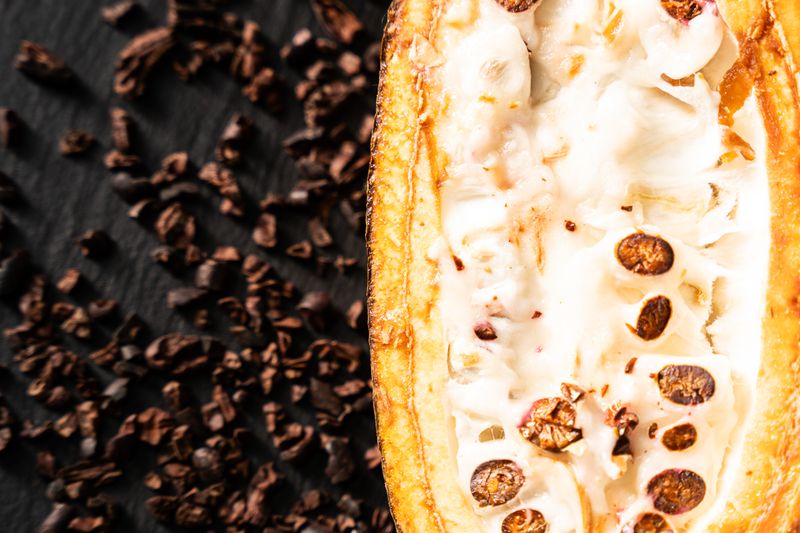
Unsweetened crushed cocoa with a deep, almost chocolatey warmth — long enjoyed as a ceremonial drink in Mesoamerican tradition, where it was steeped with warming spices.
- ·A deep, dark, faintly chocolatey aroma
- ·A ceremonial drink of ancient traditions
- ·A rich, comforting cup
The information above is drawn from published botanical and phytotherapy research on this ingredient in isolation. It does not describe the effects of any Orivaine product.
Caution: Contains naturally occurring caffeine — relevant for caffeine-sensitive individuals and in late pregnancy.
Featured in
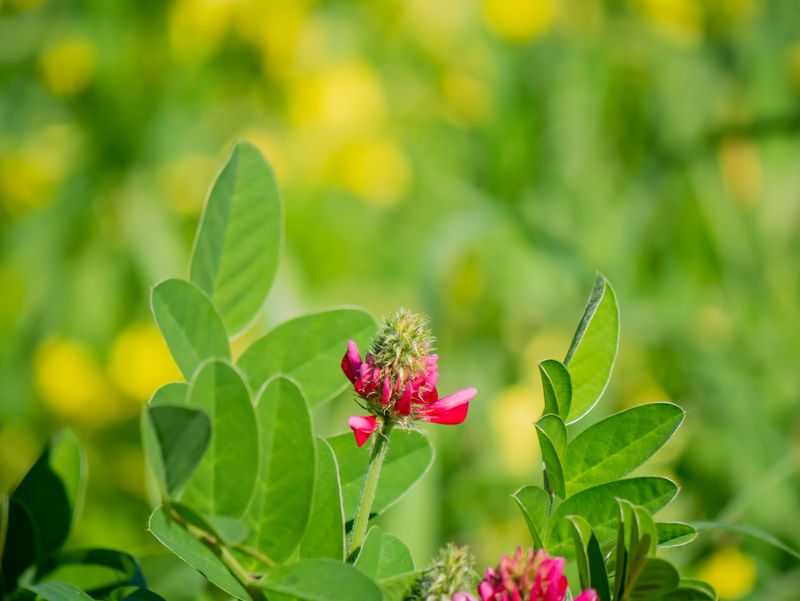
Whole pink meadow blossoms with a long, quiet place in European herbal traditions — gathered from summer fields and steeped simply, generation after generation.
- ·A soft, meadow-floral character
- ·A long-standing herb in traditional midlife blends
- ·A gentle, gold-blush infusion
The information above is drawn from published botanical and phytotherapy research on this ingredient in isolation. It does not describe the effects of any Orivaine product.
Caution: Speak with your GP if you have a hormone-sensitive condition.
Featured in
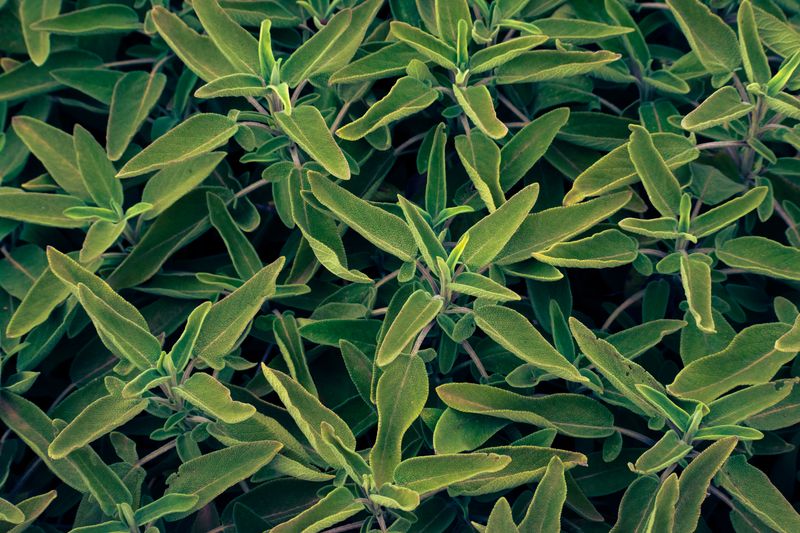
A savoury Mediterranean leaf with a long, dignified place in European herbal traditions, once so valued that a proverb asked why anyone with sage in their garden should ever grow old.
- ·A silvery, aromatic, gently peppery leaf
- ·A long-standing presence in traditional cups
- ·A quiet, warming character
The information above is drawn from published botanical and phytotherapy research on this ingredient in isolation. It does not describe the effects of any Orivaine product.
Caution: Avoid during pregnancy or breastfeeding, and if you have epilepsy. Use short courses rather than continuously.
Featured in
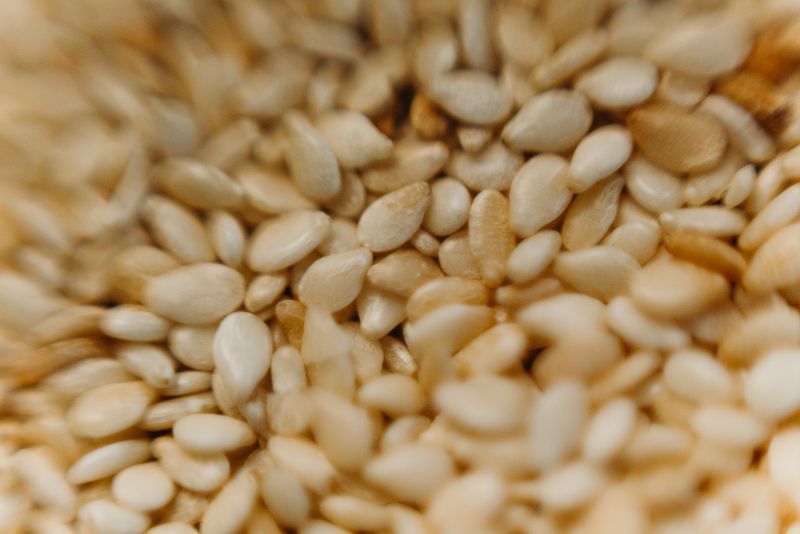
A small golden seed with a maple-sweet aroma and a long place in traditional brewing across the Middle East, North Africa and India, where it has been steeped in family homes for generations.
- ·A warm, distinctively maple-scented aroma
- ·A long-standing herb in traditional home brews
- ·A soft, amber cup
The information above is drawn from published botanical and phytotherapy research on this ingredient in isolation. It does not describe the effects of any Orivaine product.
Caution: Avoid if you have a peanut or chickpea allergy, are on glucose-lowering medication, or during pregnancy.
Featured in
Soft, apple-scented flowers long enjoyed as a quiet evening cup across Europe, where a warm chamomile infusion has been a familiar close to the day for centuries.
- ·A soft, apple-sweet floral aroma
- ·A classic evening brewing tradition
- ·A gentle, pale-gold cup
The information above is drawn from published botanical and phytotherapy research on this ingredient in isolation. It does not describe the effects of any Orivaine product.
Caution: Avoid if allergic to plants in the Asteraceae family (ragweed, daisies).
Soft aromatic purple buds long woven into evening rituals across Provence and southern Europe, where their scent has drifted through gardens and drying rooms for centuries.
- ·A softly floral, unmistakable aroma
- ·A long-standing place in evening wind-down traditions
- ·A pale, quiet infusion
The information above is drawn from published botanical and phytotherapy research on this ingredient in isolation. It does not describe the effects of any Orivaine product.
Caution: Generally well tolerated as a tea. Avoid in medicinal doses during pregnancy and alongside sedative medication without medical advice.
Featured in
A delicate climbing flower first steeped into evening cups by the peoples of the Americas, and later woven into European herbal tradition as a quiet, contemplative brew.
- ·A soft, hay-sweet character
- ·A long-standing evening brewing herb
- ·A gentle, pale infusion
The information above is drawn from published botanical and phytotherapy research on this ingredient in isolation. It does not describe the effects of any Orivaine product.
Caution: Avoid during pregnancy and alongside sedative or MAOI medication.
Featured in
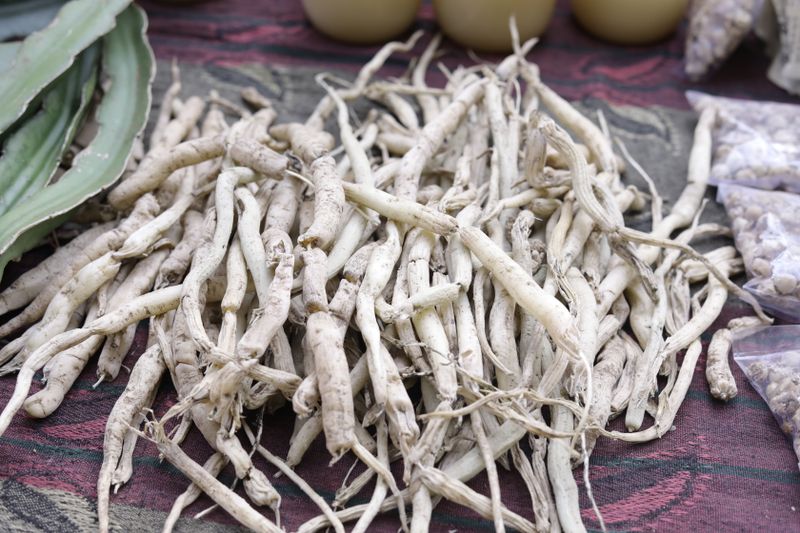
A naturally sweet root long added to herbal blends across the Mediterranean and East Asia, where its rounded sweetness has softened the bolder notes of traditional brews for centuries.
- ·A natural, rounded sweetness — no sugar required
- ·A long-standing herb in traditional blending
- ·A soft, warming finish
The information above is drawn from published botanical and phytotherapy research on this ingredient in isolation. It does not describe the effects of any Orivaine product.
Caution: Can raise blood pressure with prolonged use. Avoid if you have hypertension, kidney issues, low potassium, or are pregnant.
Featured in
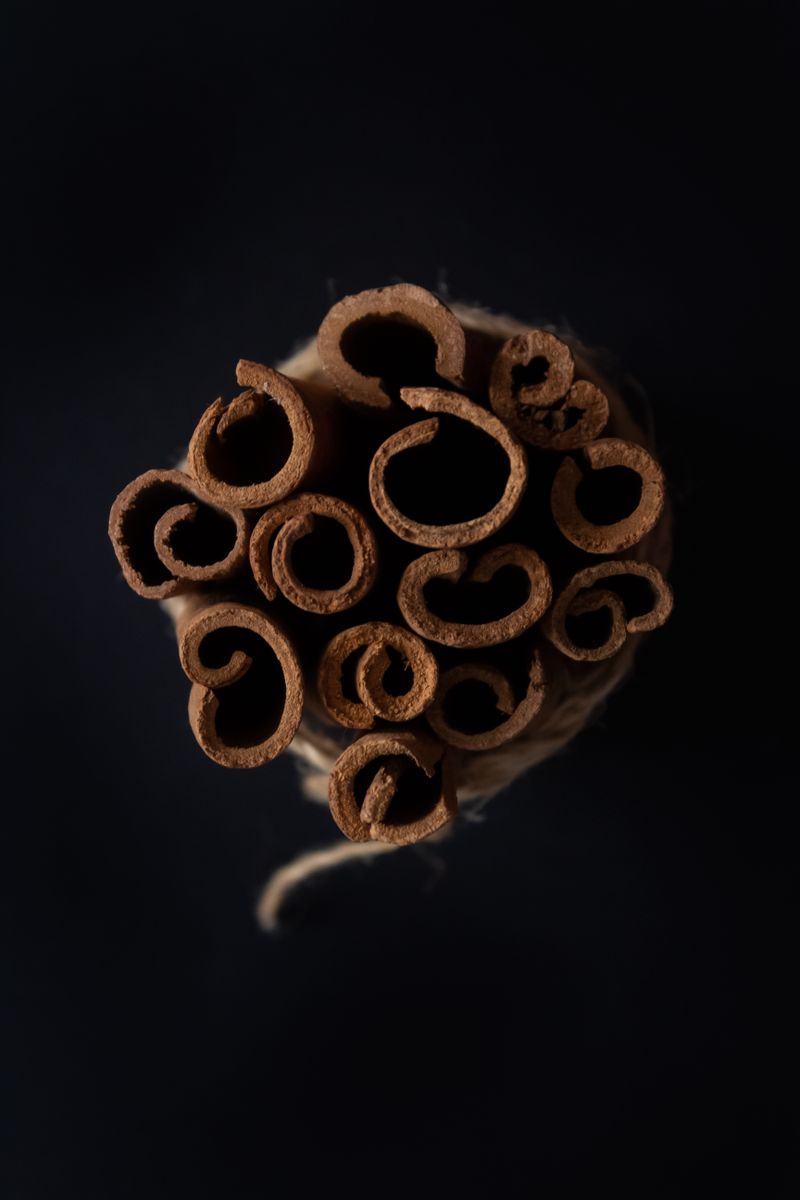
A warming, sweetly spiced bark long carried along the ancient spice routes and steeped into comforting brews from South Asia to the Mediterranean.
- ·A soft, sweet, gently spiced aroma
- ·A long tradition of use in warming winter cups
- ·A naturally sweet character without added sugar
The information above is drawn from published botanical and phytotherapy research on this ingredient in isolation. It does not describe the effects of any Orivaine product.
Caution: Avoid high medicinal doses during pregnancy. May interact with blood-thinning or blood-sugar medication.
Featured in
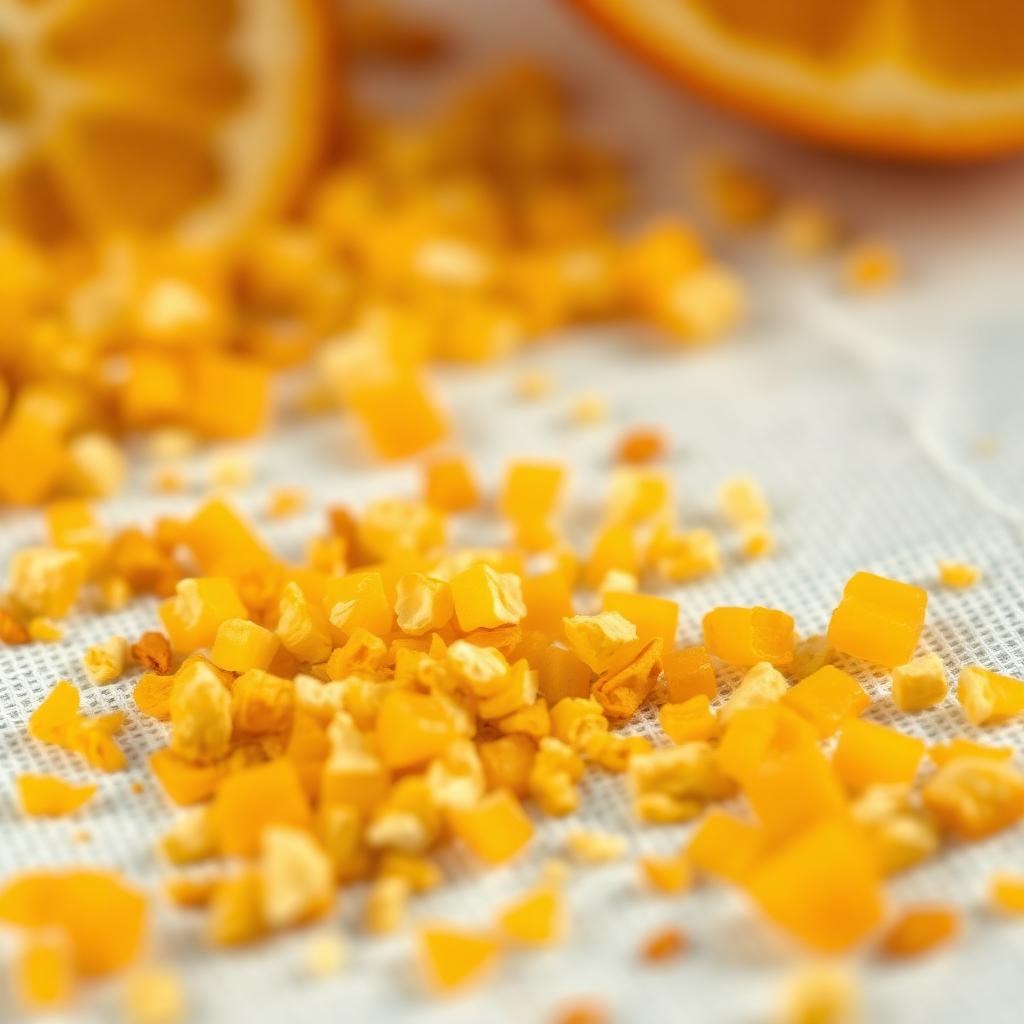
Dried citrus peel with a bright, sunny aromatic lift, long added to warming European brews and Chinese herbal traditions where its fragrance opens up heavier blends.
- ·A bright, sunlit citrus aroma
- ·A long-loved brightening note in traditional brews
- ·A soft golden hue in the cup
The information above is drawn from published botanical and phytotherapy research on this ingredient in isolation. It does not describe the effects of any Orivaine product.
Caution: Generally well tolerated. May interact with certain medications metabolised by the liver — speak with your GP if you take prescription medication.
Featured in
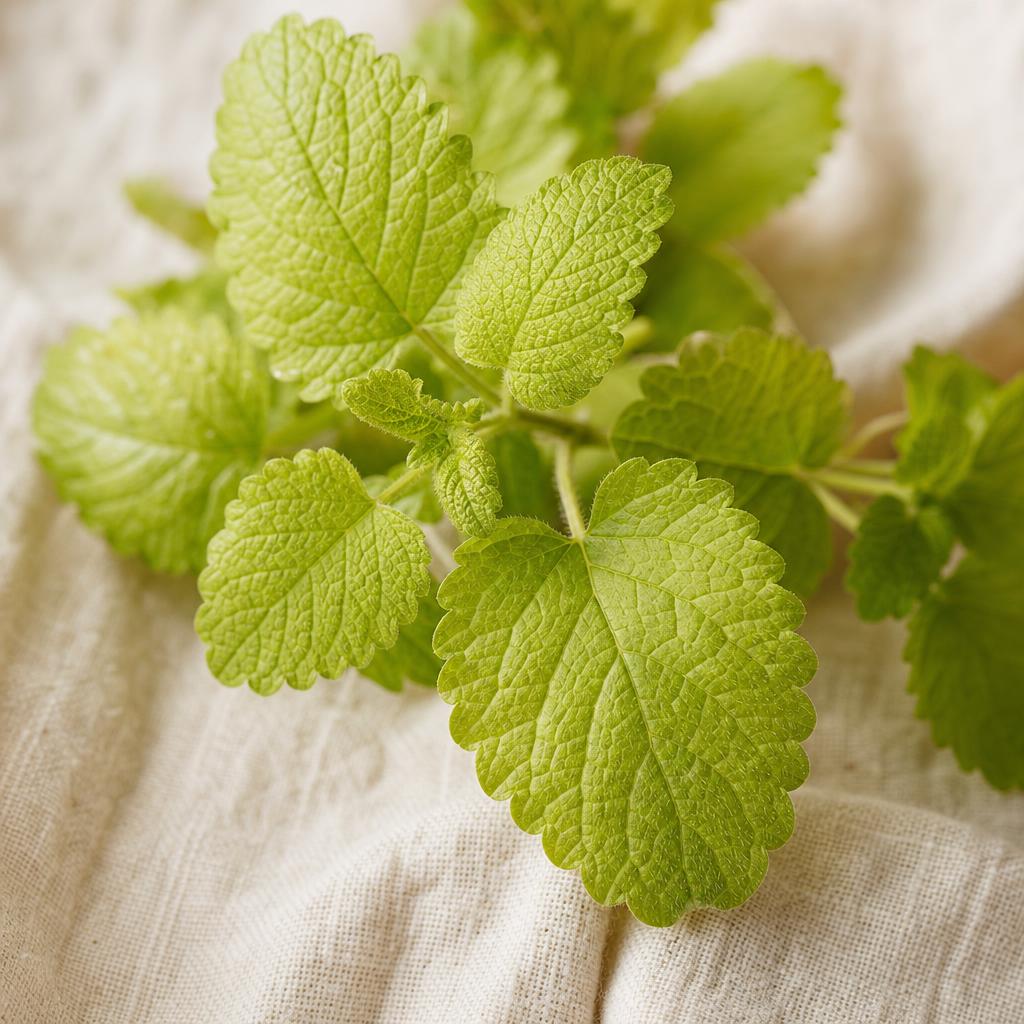
A gentle lemon-scented member of the mint family, long tended in European monastery gardens and steeped into quiet, contemplative cups for centuries.
- ·A soft, lemony, mint-family aroma
- ·A long-standing herb in monastic and folk brewing
- ·A pale, quietly refreshing infusion
The information above is drawn from published botanical and phytotherapy research on this ingredient in isolation. It does not describe the effects of any Orivaine product.
Caution: Generally well tolerated. Avoid alongside thyroid medication without medical advice.


Educational Disclaimer
The Botanical Library is an independent educational resource. The content on this page relates to published research and traditional use of individual plant ingredients and does not constitute claims about any Orivaine product. Herbal teas are food products, not medicines, and are not intended to diagnose, treat, cure, or prevent any medical condition. Individual responses to botanical ingredients vary. Always seek advice from your GP, pharmacist, or a qualified medical herbalist before using herbal products — particularly if you are pregnant, breastfeeding, taking prescription medication, or managing a diagnosed health condition. In the UK, herbal practitioners can be found via the National Institute of Medical Herbalists (nimh.org.uk).